

How to Choose a UK Soft Play Installation Partner for New Leisure Centres
Planning a new leisure centre involves dozens of decisions, from building layout and facilities to choosing the contractors who will bring the project to life.
For developments that include a soft play area, choosing the right installation partner is an important part of the process. Your supplier needs to understand the building, the intended audience and the long-term needs of the people operating the facility.
As a result, making these decisions early can help you create a play space that uses the available room effectively and complements the wider leisure centre for years after opening day.
With so many manufacturers, installers and specialist contractors to choose from, how do you find the right partner for your project?
To help you make an informed decision, here are 8 things to consider when choosing a UK soft play installation company for a new leisure centre.
1. Look for experience with commercial soft play projects
Not every soft play supplier works on the same types of projects.
For example, a company that supplies equipment for homes or small play cafes may have a different approach to a manufacturer delivering a bespoke installation for a large leisure facility. Commercial soft plays can involve more complex layouts, multiple stakeholders, technical requirements and coordination with other construction trades.
For that reason, look for a partner with relevant commercial experience and ask to see examples of completed projects.

A portfolio is a useful starting point, but the detail behind each project matters too.
For a clearer picture of their apporach, ask how the manufacturer approached the brief, what challenges arose and how the finished installation met the client’s requirements. That way, you can understand how the team works, rather than judging its capabilities on attractive photos alone.
2. Involve Your Soft Play Partner Early in the Design Process
One of the biggest mistakes in a new leisure centre development is leaving specialist play equipment until the available space has already been decided.
Instead, the soft play should be considered alongside the wider building design, not simply fitted into whatever room remains.
The building’s dimensions, ceiling heights, structural elements, access routes and other facilities can all influence the type of installation that’s achievable. In addition, these factors also affect how easily the team can bring the equipment into the building and position it correctly.

By speaking to a specialist manufacturer early, you can identify potential constraints before they become expensive problems. At the same time, early collaboration can also help architects and project managers coordinate the play area with other elements of the development.
When appointing a soft play installation partner, ask whether they can contribute during the planning and design stages, rather than only once the building is ready.
Ultimately, starting the conversation early gives your team more opportunities to develop the right solution around the building.
3. Choose a Manufacturer that can Deliver a Bespoke Design
Every leisure centre has different requirements.
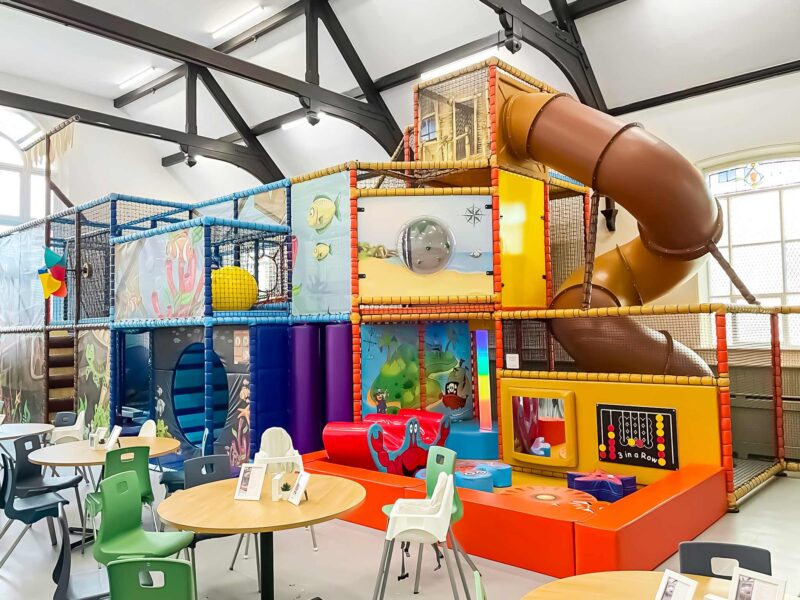
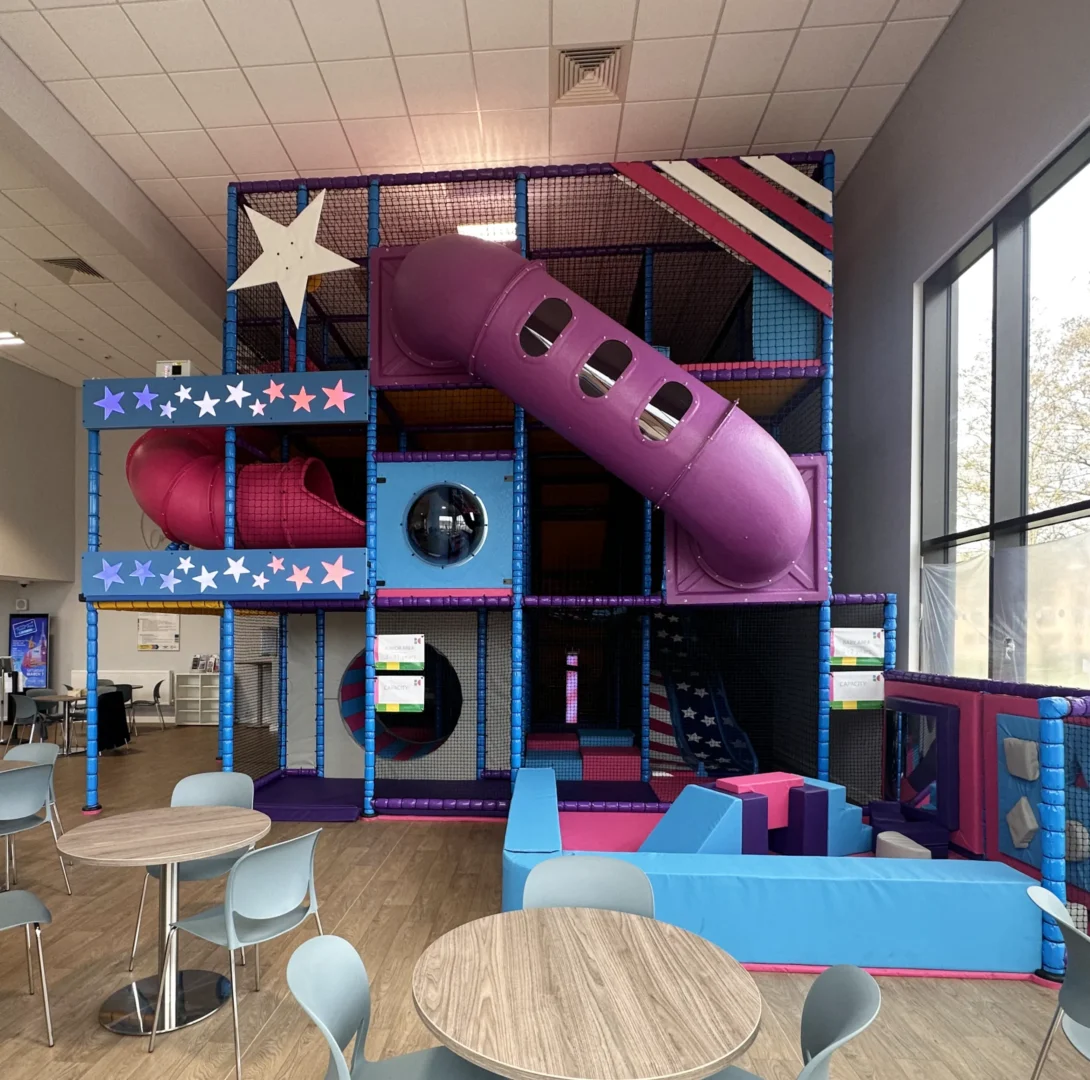
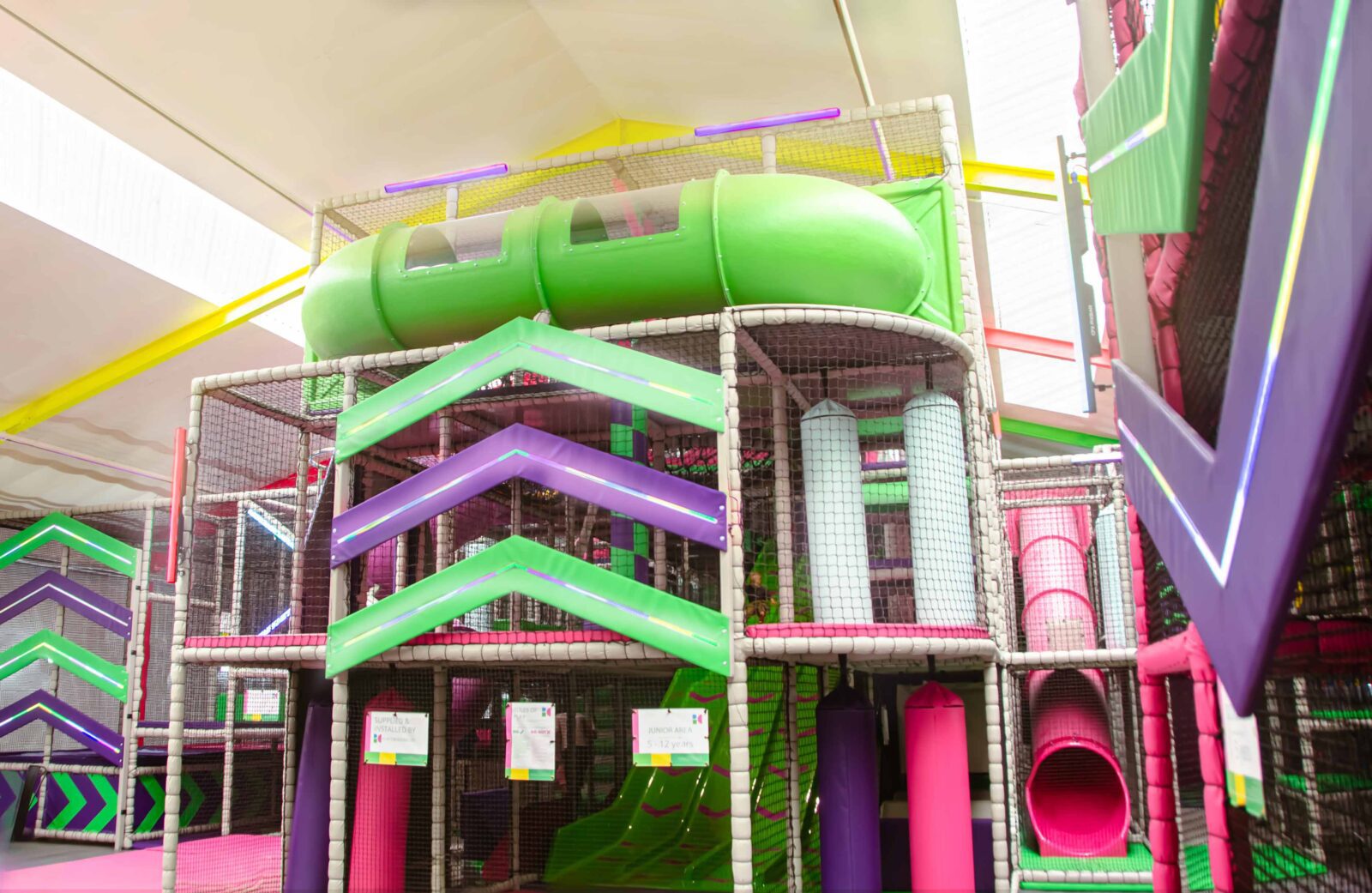
The right soft play for one venue might not suit another, even if both buildings have a similar footprint. That’s where bespoke soft play design becomes particularly valuable.
A specialist manufacturer should be able to discuss how the play structure can be tailored to the project, rather than simply offering a choice between a handful of standard products.
Depending on the brief, that could involve:
One space. A design built around it.
Every venue has different constraints. The right design makes the building, the equipment and the visitor experience work together.

From awkward corners to ambitious play zones, a bespoke design is made to fit your venue’s needs.
Work with the building
Design around unusual shapes, footprints and restrictions.
Separate play zones
Create areas that suit different age groups and play needs.
Mix play experiences
Bring climbing, slides and interactive features together.
Match the venue
Choose colours and finishes that complement the wider space.
Use every dimension
Make better use of available floor space and height.
Create an identity
Develop a distinctive design that reflects the venue.
Bespoke doesn’t mean adding features for the sake of it. Instead, the aim is to create a layout that works for the people using the facility while making sensible use of the space and budget.
Ask potential suppliers how they approach the design process, what information they need from your team and how they develop a proposal from the initial brief.
It’s equally important to establish how the team handles design changes, including any implications for cost or programme.
4. Understand How the Supplier Manages Manufacturing and Installation
A soft play project involves more than choosing equipment and arranging a delivery date.
Depending on the supplier and the scope of the contract, the process will involve key events such as site measurements, design development and installation arrangements.
Nevertheless, identifying who’s responsible for each stage helps prevent gaps between the different parties involved.
Start by establishing whether the company manufactures their own equipment, works with a third-party manufacturer or coordinates with several separate suppliers.
There is no single delivery model that suits every project. However, you should always know who takes responsibility for the design, equipment quality, installation and any issues that arise.
A UK-based soft play manufacturer with in-house production, may offer closer coordination between design and manufacturing, alongside more direct communication when changes are needed.
However, you should assess the actual capabilities, responsibilities and processes of each supplier rather than relying on location alone.

5. Check Safety, Standards and Technical Documents
Safety requirements should form part of the specification from the beginning, rather than being addressed as an afterthought.
Commercial indoor play equipment needs to be appropriate for its intended use. Therefore, the project team needs to understand the relevant design, installation, inspection and operational considerations understood by the parties responsible.
For fully enclosed play equipment, BS EN 1176 covers additional safety requirements and test methods. In addition, the series also addresses relevant aspects of playground equipment and surfacing. Consequently, the precise standards and requirements applicable to a project will depend on the equipment and its intended use.
You can consult the British Standards Institution’s information on BS EN 1176 for further guidance. In addition, make sure your team understands the relevant requirements for installation, inspection, maintenance and operation.
When evaluating suppliers, ask them to explain which standards apply to the proposed equipment and how relevant requirements will be addressed.
Alongside the technical specification, establish which documents the supplier will provide and what checks the team needs to complete before the play area opens.
Useful questions include:
- What technical documentation and product information will be provided?
- How will relevant safety requirements be addressed in the design?
- What inspections or checks are required before the facility opens?
- Who is responsible for arranging any required independent inspection?
- What operating, inspection and maintenance information will be provided at handover?
More importantly, don’t assume that choosing a supplier automatically transfers every safety responsibility to them. Responsibilities should be clearly established between the manufacturer, installer, project team and future operator.
Your project team should confirm the applicable requirements with suitably qualified professionals before finalising the specification.
6. Make Sure the Installation Programme Works with the Wider Construction Project
A new leisure centre development involves multiple trades, contractors and deadlines. For that reason, the soft play installation needs to fit into that wider programme.
If the room isn’t ready, access is restricted or other work remains outstanding, installation may be delayed. Equally, a supplier who doesn’t understand the wider construction programme may struggle to coordinate their work with the other teams on site.
Before work begins, establish what needs to happen before the installation team arrives, including any required building works, completed finishes, access arrangements and confirmation of the final site dimensions.

Next, discuss how the supplier will communicate with the main contractor, architect, project manager and other relevant stakeholders.
Avoid relying on a generic installation timeframe. The actual programme will depend on the project’s size, complexity, design approval, manufacturing requirements and site readiness.
By agreeing to a realistic programme, agreed responsibilities and clear communication can help reduce avoidable disruption as the development approaches completion.
7. Compare the whole-life value, not just the initial price
Budget will naturally influence the choice of soft play installation partner, particularly on large developments with multiple competing priorities.
However, the cheapest initial quotation doesn’t necessarily represent the best value over the life of the facility.
Two proposals may look similar at first glance but differ in their design scope, materials, manufacturing arrangements, installation responsibilities, warranty provisions and aftercare. For this reason, comparing like-for-like proposals is essential.
When reviewing quotations, establish exactly what’s included and identify any exclusions that could create additional costs later.
Design that’s included
What does the quotation cover?
Click to explore ↗
Check the details
Check whether bespoke design, technical drawings and revisions are covered in the quote.
Materials built for the job
What are you paying for?
Click to explore ↗
Check the materials
Understand which materials and finishes are proposed, and why they’re suitable for a busy commercial environment.
A clearly defined installation
What’s included in the price?
Click to explore ↗
Check the scope
Confirm whether delivery, installation and associated work are included, or priced separately.
Warranty without surprises
What happens if something goes wrong?
Click to explore ↗
Check the cover
Find out what’s covered, how long the warranty lasts and which exclusions apply.
Maintenance made manageable
What happens after opening day?
Click to explore ↗
Check the upkeep
Establish what routine maintenance the operator needs to carry out and what ongoing upkeep the equipment requires.
Support beyond opening day
Who can help when you need it?
Click to explore ↗
Check the aftercare
Ask who to contact if something goes wrong, whether replacement parts and repairs are available, and what aftercare the supplier provides.
In the end, the objective is not simply to spend more upfront. Instead, you need to understand what you’re buying, the ongoing responsibilities that come with it and whether the proposed solution offers appropriate value for the intended use.
8. Check the supplier’s aftercare and long-term support
Your relationship with your soft play company shouldn’t end when the equipment has been installed.
Once a leisure centre opens, its play area becomes part of an operational facility. The operator needs to understand how to look after the equipment, what inspections and maintenance are appropriate and who to contact when repairs are needed.
Before appointing a supplier, establish what happens after handover.
A useful aftercare arrangement should make responsibilities clear and provide the operator with all the information needed to manage the installation appropriately.
Ask which handover documents will be received and if they assist with any maintenance guidance. You should also find out who to contact if an issue develops and what support the company offers as the equipment ages.
Finally, ask for examples of how the supplier has supported previous commercial installations after completion.
By choosing a manufacturer that understands the lifecycle of its equipment can help you consider how it will be managed in the years to come.
Questions to ask before appointing a soft play installation partner
If you’re comparing several suppliers, use this checklist to structure the conversation.
| Question to ask | What it helps you establish |
|---|---|
| 01Can you show us comparable commercial projects? | Relevant experience and evidence of delivery. |
| 02Can you design around our building and brief? | Design flexibility and effective use of space. |
| 03When should we involve you in the project? | Whether the supplier can contribute during early planning. |
| 04Who manufactures and installs the equipment? | Accountability across the supply chain. |
| 05What technical documentation will you provide? | Clarity around design and project requirements. |
| 06How will you coordinate with our project team? | Communication and construction programme alignment. |
| 07What is included in the quotation? | Scope, exclusions and potential additional costs. |
| 08What warranties and aftercare do you offer? | Long-term support and operational planning. |
| 09Can we speak to previous commercial clients? | Insight into the supplier’s working relationship and delivery. |
For public sector developments, these questions can also help inform the procurement process and the evaluation criteria set out in the tender. However, the final selection should follow the project’s procurement rules and published requirements.
When should you appoint a soft play installation partner?
Ideally, you should start conversations with potential soft play partners during the early design and planning stages of a new leisure centre.
You don’t necessarily need a fully finalised design before speaking to a manufacturer. In fact, an initial discussion can help your team understand what design options may be feasible and which building details could influence the finished installation.
Planning a new leisure centre with soft play?
Choosing the right installation partner is about more than finding someone who can supply the equipment. You need a team that understands the design, manufacturing, installation and long term operational considerations in a commercial play area.
With that in mind, begin the conversation early, ask detailed questions, compare proposals and clarify responsibilities before work begins. These steps can help give your project the best possible start.
The right play area starts with the right planning. At Play Creations, we design, manufacture and install bespoke commercial soft play, working with your team to explore the possibilities for your space.
Whether you’re at the early design stage or developing a detailed project brief, get in touch to discuss your plans, requirements and timescales.
Call 01924 600205 or visit Play Creations to start the conversation.
Frequently Asked Questions
We’ve pulled together the most common things people ask us, from how we work and what to expect, to timelines, pricing, and everything in between. If you can’t find what you’re looking for, just reach out and we’ll get you sorted.
The cost of a commercial soft play installation depends on several factors including the size, complexity and equipment included in the installation.
The best starting point is to share your building plans, intended audience and project requirements with a specialist manufacturer for an initial discussion.
To help you plan your budget, see our guide to commercial soft play costs for more information.
Yes! A bespoke soft play manufacturer can develop a design around dimensions and features of your building, including unusual room shapes, structural elements and available ceiling height.
As a result, you can make better use of your available space while creating a play area that complements the wider venue.
Timescales will always vary according to size and complexity of the project. Ask potential suppliers to explain the main stages, identify what they need from your porject team and provide a realistic programme based on your specific development.
As a general guide, Play Creations usually runs on a 14-week timescale from point of order, if the business is ready to implement the soft play from point of order.
Look for relevant commercial project experience, a clear design process and an understanding of safety requirements. You should always check the supplier’s warranty provisions and aftercare arrangements.
Ideally, involve a soft play manufacturer in the early design and planning stages. This gives your team more opportunity to coordinate the play area with the building layout. Early involvement can also help identify potential constraints before they affect the budget or construction programme.