
Thinking About Investing In a Soft Play?
Commercial soft play can work for all kinds of businesses. Farm attractions, holiday parks, play cafes, leisure centres and shopping centres can all benefit from the right play area.
However, buying a play area involves more than just choosing slides and climbing frames.
More importantly, right equipment needs to work for your space, customers and business. Alongside this, you’ll also need to consider budget, capacity, durability, design and potential return on investment.
Starting with an empty space? Replacing an existing play area? Choosing the right commercial soft play equipment is a big decision.
To help you navigate this process, we’ll explore what you need to know before investing in commercial soft play. We’ll cover everything from choosing a manufacturer to creating a play area that works for your business.
Is Commercial Soft Play Right for Your Business
Commercial soft play works in many settings. For example, it fits farm attractions and holiday parks to play cafes, leisure centres and shopping centres.
For family-focused businesses, a play area gives customers another reason to visit. Encourage them to stay longer and return often. Additionally, it provides a reliable indoor option when the weather stops outdoor play.
The important question isn’t simply whether your business can have a soft play. Instead, you must decide if a play area truly aligns with your business goals.
Farm Attractions and Visitor Attractions
For farms and visitor attractions, commercial soft play can complement outdoor activities. It also gives families something to do when the weather turns.
As a result, this can extend the overall visitor experience and encourage families to spend more time on site.

Holiday Parks and Leisure Venues
Holiday parks and leisure venues often need activities that can cope with high levels of use. Commercial soft play can provide an all weather option while making use of the available space.
For these busy venues, capacity, durability and different age groups are particularly important.

Cafes, Garden Centres and Smaller Venues
Smaller businesses, like a garden centre, may have less space to work with, but a well planned play area can still make a strong addition.
The design should make the most of the available footprint while keeping children engaged and allowing parents to remain close by.
SEN and Specialist Environments
Not every play area needs to follow the same approach. For example, SEN settings may have different requirements around accessibility, sensory experiences, movement and the way children interact with their surroundings.
Start with the needs of the children using the space. Equipment should support their experience rather than simply adding more activities.
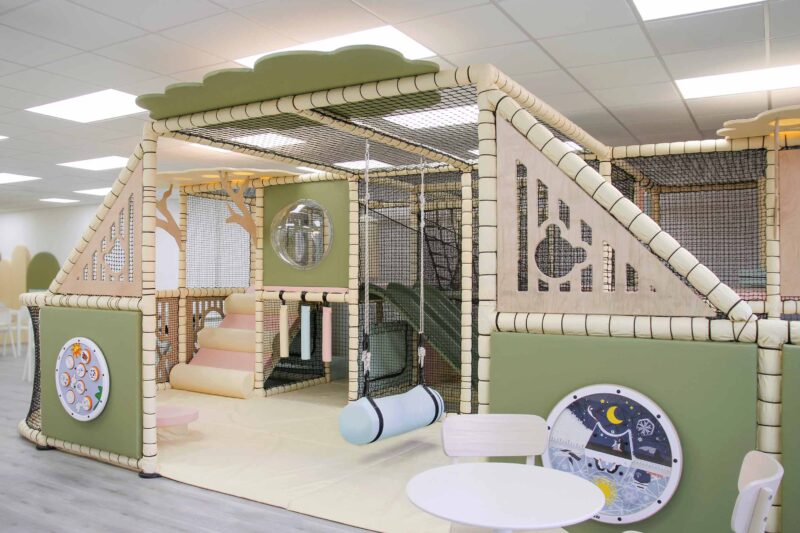
Shopping Centres and High-Footfall Venues
For shopping centres and other high-footfall venues, soft play can provide families with another reason to spend time on site.
Capacity, visibility and durability all need to be taken into consideration for these types of venues.

Ultimately, the best commercial soft play equipment has a clear purpose. Before choosing the slides, climbs or interactive features, decide what you want the play area to achieve.
What Should You Consider Before Buying Commercial Soft Play Equipment?
Once you’ve decided that commercial soft play could work for you, identify what it needs to achieve. Always consider four key factors before buying any equipment. These are your space, your audience, expected usage, and your business goals.
How Much Space Do You Have?
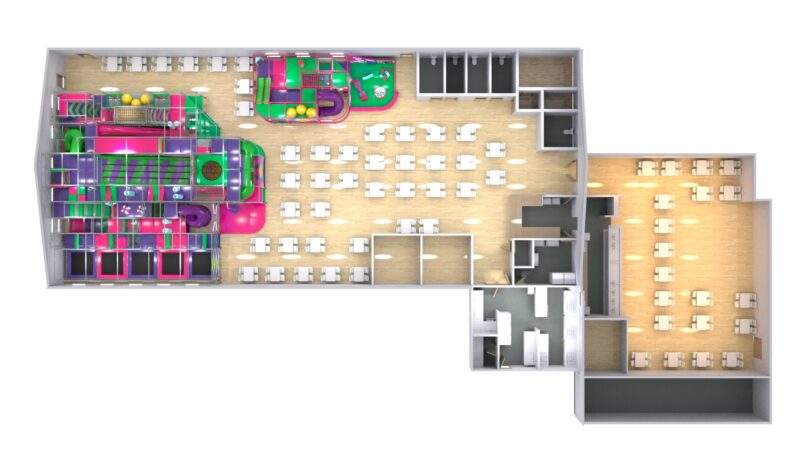
Floor space is only part of the picture. Ceiling height, entrances, exits, and existing structures can all affect what’s possible. You’ll also need to consider how installers will access the space.
The main aim is to maximize your space without overcrowding it. Therefore, think about how children, parents, and staff will move around.
For example, using the height of the building can create extra play areas. You gain more capacity without taking up valuable floor space.
Who Will Use the Play Area
Think about your customers before you start choosing your soft play equipment.
A toddler at a play cafe will have very different needs from an eight-year-old at a farm attraction.
If your venue attracts a wide age range, you may need separate areas or different levels of challenge. As a result, the space can remain enjoyable for everyone.
Consider:
- The age groups you want to attract
- Whether adults will use or supervise the space
- Whether different age groups need separate zones
- Accessibility requirements
- How children with different abilities will interact with the equipment.
The aim is to create a play environment that feels engaging without being unsuitable or overwhelming for the children using it.
How Busy Will It Be?
Naturally, a low-use play area requires a different approach than a high-traffic venue. A high footfall space might see hundreds of children every day.
Think about your expected footfall and how many children you want the area to accommodate at one time. These factors can influence the size, layout, equipment and materials that you choose.
At the same time, high-footfall venues should also consider durability, cleaning and maintenance from the beginning. Choose soft play equipment that can cope with regular use. This can help protect your investment and reduce disruption later.
What Do You Want the Play Area to Achieve?
Finally, decide what role the play area will have within your business.
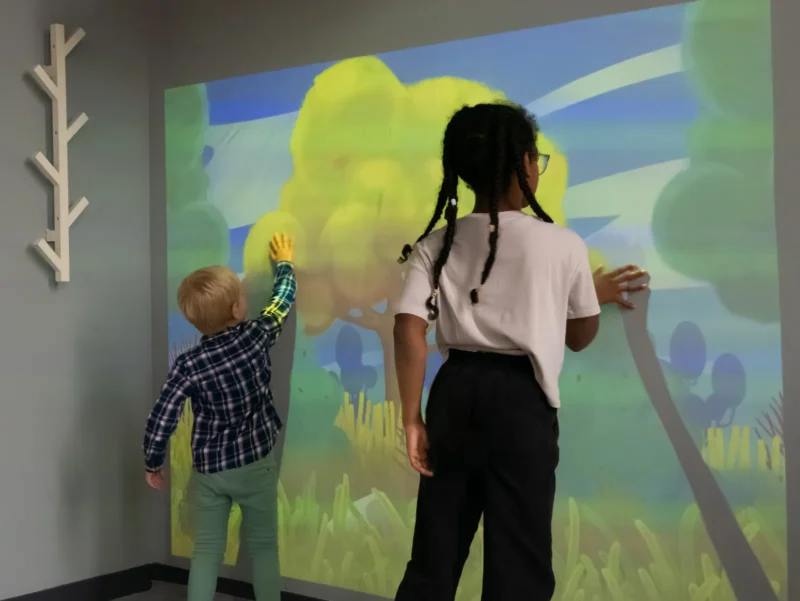
You might want to attract new customers, encourage longer visits, add another revenue stream, or make better use of an existing space.
These goals can influence the layout, age range and equipment you choose.
Once these decisions are clear, it becomes much easier to work out what type of commercial soft play equipment is right for your business.
How Much Does Commercial Soft Play Equipment Cost?
Cost is usually one of the first questions buyers ask, and there isn’t a single price that applies to every commercial soft play project.
A small play area for a cafe will have very different requirements from a large multi-level installation. The same applies to the budget.

So What Affects the Cost of Commercial Soft Play?
Several factors can influence the price of a project, including:
- Size: Larger play areas generally require more materials, equipment and installation work.
- Design: Bespoke layouts and complex structures can require more design and manufacturing time.
- Equipment: Slides, climbing features, interactive elements and specialist attractions can affect the overall cost.
- Theming: Custom colours, branding and themed features can increase design and manufacturing costs.
- Age Range: Designing for multiple age groups may require additional zones and equipment.
- Installation: Delivery and installation requirements will depend on the size and location of the project in relation to your manufacturer.
- Site Requirements: Existing buildings, access, flooring and other site conditions can all directly affect the final specification.
This is why two play areas with a similar footprint can have very different prices.
Therefore, your total budget may need to cover design, manufacturing, delivery, installation and other venue specific costs.
For current figures and real commercial project examples, see our guide to how much a commercial soft play area costs in 2026.
Should you Finance a Commercial Soft Play Project?
For some businesses, spreading the cost of a new play area can make the investment easier to manage alongside other expenses.
Naturally, the right approach will depend on your budget and business plans. Consider the full project cost as well as its potential long term value.
Ultimately, the cheapest option isn’t necessarily the best investment. Instead, you must weigh equipment quality, durability and suitability alongside the initial price.
Choosing a Commercial Soft Play Manufacturer
Choosing your manufacturer is one of the biggest decisions you’ll make when investing in commercial soft play.
Although it can be tempting to compare suppliers based on price alone. However, you must remember that a commercial play area is a long term investment.
To make the right choice, evaluate how the manufacturer operates. Look closely at what equipment they provide and what support they offer after the installation is complete.

Do They Actually Manufacture the Equipment?
Not every company selling soft play equipment manufactures it themselves. Instead, some act as suppliers or resellers, while others design and manufacture their equipment in house.
Knowing who makes your play area matters. Ultimately, this helps you understand who is responsible for its quality, design and construction.
Find out where the equipment is manufactured and whether the manufacturer has experience producing installations similar to yours.
Can They Design Around Your Space?
Commercial play areas rarely have a completely straightforward space to work with. Typically, features like columns, unusual room shapes, low ceilings and existing features can all affect what’s possible.
A good indoor play area manufacturer should work around these limitations. They shouldn’t simply offer equipment from a standard catalogue.
Do They Understand Your Type of Business?
A farm attraction, play cafe, holiday park and leisure centre can all have very different requirements.
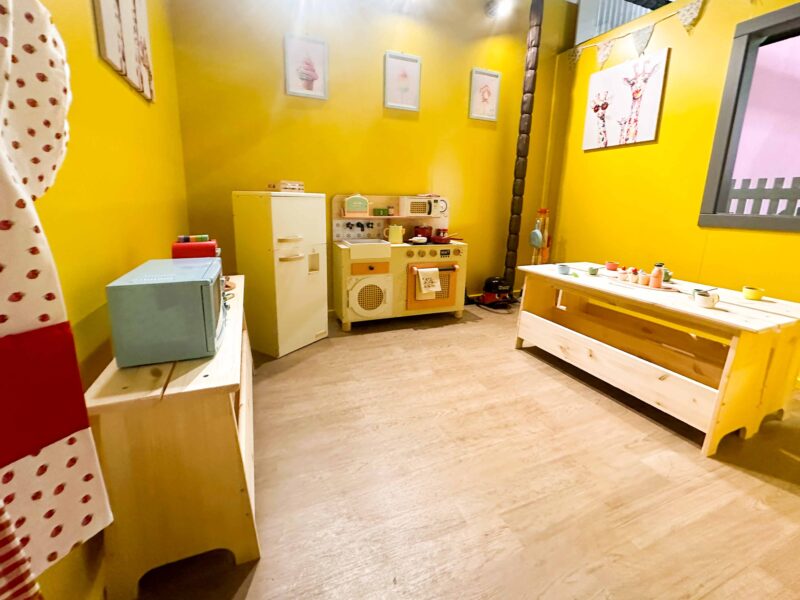
If you’re looking for a soft play manufacturer in the UK, ask to see relevant case studies. These previous projects clearly show how a manufacturer has approached different spaces, audiences and challenges.
For example, our work for Brocksbushes Farm demonstrates how commercial play can be designed as part of a wider visitor attraction.
What Happens After Installation?
Your relationship with your manufacturer shouldn’t necessarily end when the play area is installed. Instead, you should treat it as a long term operational partnership.
Ask what support is available after installation. This could include maintenance, repairs, replacements and project documentation.
Look Beyond the Quote
Additionally, a detailed quotation should make it clear what you’re paying for and what’s included.
When comparing manufacturers, consider the whole service. Specifically, look at the design, manufacturing, installation, quality, communication and aftercare.
Remember, the lowest initial price isn’t always the best long-term value.
Can Commercial Soft Play Provide a Return on Investment?
For many businesses, commercial soft play can do more than provide an additional attraction. It can generate revenue, attract customers and increase the value of each visit.
However, there is no universal return on investment. Instead, the results depend on how the play area fits into your business, how often customers use it and how you generate revenue.
Direct Revenue
Depending on your business model, a play area could generate income through several channels. These revenue streams include:
- Paid admissions or play sessions
- Memberships
- Birthday parties
- Private hire
- Events and activities
- Food and drink sales
For instance, a farm attraction could include indoor play within its admission price, while a play café could charge for individual sessions and generate additional income through food and drinks.

Increasing Dwell Time
A play area can also provide value without directly charging for every visit.
For example, if families spend longer at your venue, there may be more opportunities for additional purchases. That could mean food and drink, retail or other activities.
Encouraging Repeat Visits
A well-designed play area can also give families another reason to return.
For instance, memberships, events, seasonal activities and birthday parties can all help turn a one-off visit into a longer-term relationship with your customers.
Making the Investment Work
Before investing, consider how the play area will contribute to your wider business model. What’s the expected footfall, capacity, pricing, opening hours and operating costs?
Ultimately, the aim isn’t simply to choose the biggest play area you can afford. It’s to create an experience that customers want to use and that makes commercial sense for your business.
A realistic business case should consider both the initial investment and the value the play area could generate over its lifetime.
Your Commercial Soft Play Buyer’s Checklist
Before choosing your commercial soft play equipment or signing a contract with a manufacturer, make sure you’ve considered:
- Your audience: Who will use the play area and what ages or abilities do you need to cater for?
- Your space: How much usable floor space and ceiling height do you have?
- Capacity: How many children will use the area at once?
- Your goals: What do you want the play area to achieve for your business?
- Your budget: What can you realistically invest in the whole project?
- Your equipment: Do you need standard, bespoke or a combination of both?
- Your manufacturer: Who will design, manufacture and install your equipment?
- Your quotation: What exactly is included in the price?
- Aftercare: What support is available for maintenance, repairs and replacement parts?
- Your return: How will the play area generate revenue or add value to your business?
Having clear answers will make it easier to compare manufacturers and understand quotations. More importantly, this preparation can help ensure you choose equipment that works for your business.
Ready to start planning your commercial soft play?
If you’re considering commercial soft play for your business, our team is ready to help. We can easily transform your raw ideas, space, and requirements into a highly profitable playground.
From the first conversation through to final installation, we will show you exactly what is possible.
Frequently Asked Questions
We’ve pulled together the most common things people ask us, from how we work and what to expect, to timelines, pricing, and everything in between. If you can’t find what you’re looking for, just reach out and we’ll get you sorted.
The cost of commercial soft play equipment varies depending on the size, design, equipment, theming and installation requirements. A small play area will have very different costs from a large, multi-level installation. For a detailed breakdown of current costs, see our guide to how much a commercial soft play area costs in 2026.
Look beyond the initial quotation. Consider whether the manufacturer designs and manufacturers the equipment themselves, their experience with similar projects, their ability to design around your space, installation service and the aftercare packages they provide.
Yes!
Commercial soft play can be designed around existing spaces, including unusual layouts, columns, entrances and other building features. A bespoke design can help make better use of the available space while creating an experience suited to your customers.
It can. Depending on your business model, commercial soft play may generate revenue through admissions, play sessions, memberships, parties, private hire and events. It can also encourage longer visits and repeat customers, helping the play area add value beyond direct ticket sales.
Commercial soft play equipment is designed for businesses and venues where play areas may experience frequent public use. It needs to suit the expected age range, capacity and level of use while fitting the requirements of the space and business.
This makes commercial equipment different from soft play designed for occasional use in a domestic setting.