

How to Choose a Soft Play Manufacturer in the UK
Choosing a soft play manufacturer is a significant decision for any commercial venue. Whether you’re developing a new leisure centre, refurbishing an existing attraction or creating a dedicated indoor play area, the manufacturer you choose will influence far more than the equipment itself.
However, comparing manufacturers isn’t always straightforward.
Different proposals may include different services, design approaches and levels of support. As a result, a lower initial quotation doesn’t necessarily represent better value, while an impressive 3D render doesn’t automatically mean a design will work in practice.
So, how do you choose the right partner for your project?
This guide explains what to look for in a UK soft play manufacturer, how to assess their capabilities and which questions to ask before committing to a project.
Let’s build something worth playing in.
From bespoke designs to complete commercial soft play environments, let’s talk about what your space could become.
Discuss your projectUnderstand What Your Manufacturer Actually Does
First, establish what exactly each company offers. The terms manufacturer, supplier and design and build partner are sometimes used interchangeably. However, they don’t always describe the same service.
A supplier might provide equipment from a product range, whereas a manufacturer produces soft play equipment themselves. Meanwhile, a design and build partner may coordinate the process from initial planning through to installation.
Understanding these differences helps you compare like for like.
For example, consider whether your project requires standard equipment, a bespoke layout or a complete commercial indoor play environment. A venue with an unusual floor plan may need a different approach from one installing a straightforward, predefined play structure.
Additionally, ask which parts of the project the company handles directly and which involve external parties. This helps clarify responsibilities before work begins.
For larger developments, this distinction matters even more. Architects, developers and leisure centre operators need to understand how specialist play equipment fits into the wider project, including building layouts, access requirements and construction schedules.
The key question isn’t simply whether a company sells soft play. It’s whether its capabilities match the project you’re planning.

Look for a Design that Responds to Your Space
An attractive design is a great starting point. Nevertheless, the real test is whether it works within your building.
Every venue has its own requirements. Ceiling heights, structural columns and entrances can all influence the available play space. Therefore, a design should respond to the building rather than forcing the building’s users to work around the equipment.
Before choosing a manufacturer, consider how its team approaches the design process.
- Do they ask about the building’s dimensions and layout?
- Can they explain how the proposed equipment will fit the available space?
- Do they consider how visitors will enter, move through and leave the play area?
- Can they adapt the design to suit your venue’s identity and requirements?
- Are the practical limitations of the space discussed early?
These questions are particularly important when commissioning bespoke equipment. A tailored design should do more than look different from a standard product. Instead, it should address the specific needs of your venue.
For instance, a leisure centre may need to integrate play equipment into a wider scheme of family offerings. An independent attraction, on the other hand, may have different priorities around its theme, available space and visitor experience.
Consequently, the design process should begin with a conversation about what the space needs to achieve.
What to look for
A manufacturer should be able to demonstrate how its design responds to your building. Tick each point as you review a potential partner.
Understand How the Equipment is Made
Not all soft play equipment is constructed in exactly the same way. Therefore, understanding how a manufacturer approaches production can help you make an informed decision.
Start by asking where the equipment is manufactured and how the production process is managed. If you’re considering a UK manufacturer, find out which elements are made in-house and whether any components are sourced externally.
There’s no need to assume that every externally sourced component is a problem. The important thing to understand is what you’re buying and how the finished equipment comes together.
It’s also worth considering how the equipment may need to be maintained over time. In a busy commercial environment, regular use can lead to wear. As a result, the ability to assess, maintain and repair individual components may be an important consideration.
Good questions start at the source.
Look beyond the finished product. Flip each card to discover what to ask when assessing a manufacturer for your commercial soft play project.
Check Safety, Quality and Suitability for Commercial Use
Safety should be considered throughout the selection process, not added as an afterthought once the design has been agreed.
First, establish which standards, regulations and requirements are relevant to your particular project. These can depend on the type of equipment and your location.
Ask the manufacturer to explain the relevant requirements and provide appropriate documentation for the proposed equipment.
In addition, quality deserves the same level of scrutiny. Photographs can show the overall appearance of a finished project; however, they rarely tell you everything about its construction, materials or maintenance requirements.
Whenever possible, review completed installations. If you can visit an existing project, you’ll have a better opportunity to understand how the finished environment works beyond the initial presentation.
Ultimately, the aim is to assess the actual proposal, not the confidence that it’s being presented.

Compare Quotes Beyond the Headline Price
Price will naturally influence your decision. Nevertheless, comparing quotations purely by their total cost can leave important differences unnoticed.
Two proposals may appear similar while covering different equipment, services or responsibilities. You should establish exactly what each quote includes before deciding which offers the best value.
Before you sign off on a proposal.
Check the following information
Equipment
Is the proposed scope clearly itemised? Can you see which equipment, features and components are included?
Design
Are drawings, revisions and design responsibilities explained? Is it clear what happens if the design changes?
Installation
Is installation included, and what preparation is expected from you before the team arrives?
Programme
Are manufacturing and installation timescales stated, with the assumptions and dependencies made clear?
Exclusions
Are additional costs, excluded services and your own responsibilities identified before you commit?
Aftercare
Are warranty terms, maintenance guidance and repair arrangements explained?
These comparisons become especially important for architects, developers and operators working within a wider construction project. For example, an installation date may depend on the building being ready, access being available and other contractors completing their work.
It’s equally important to understand how changes are managed. Projects evolve, and sometimes a design needs to be adjusted as more information becomes available.
If you can’t explain the difference between two quotes, ask for clarification before choosing between them.
Consider the Relationship After Installation
Once the equipment is installed, the relationship with your manufacturer doesn’t necessarily end.
Commercial play environments experience regular use, and their ongoing needs may change over time. Therefore, it’s worth understanding the support available after handover, rather than concentrating exclusively on the initial purchase.
Start by reviewing the warranty terms. Check what’s covered, how long coverage lasts and what steps you must follow if you need to make a claim.
Repairability is another useful consideration. If a component becomes damaged, ask what assessment and repair options are available. Depending on the circumstances, repairing an existing component may be a more practical alternative to replacing a larger section of equipment.
Of course, the appropriate solution will depend on the nature of the damage and the equipment involved. Discussing these possibilities in advance helps you understand what support you can expect.
For commercial operators, this is part of evaluating the overall investment. The initial installation matters, but so does having a clear plan for looking after it.
Review Completed Projects, Not Just Promises
We’ve mentioned it a few times throughout the article, but before making your final decision remember to look closely at the manufacturer’s previous work.
A portfolio can help you assess the company’s design approach, the range of environments that they’ve worked with and the ability to deliver different types of projects. However, don’t stop at finding the most visually impressive examples.
Instead, look for projects that relate to your own requirements.
If you’re planning a large leisure centre installation, seek examples of work that demonstrates relevant experience with commercial environments.
Case studies can also help you understand how a brief becomes a finished installation.
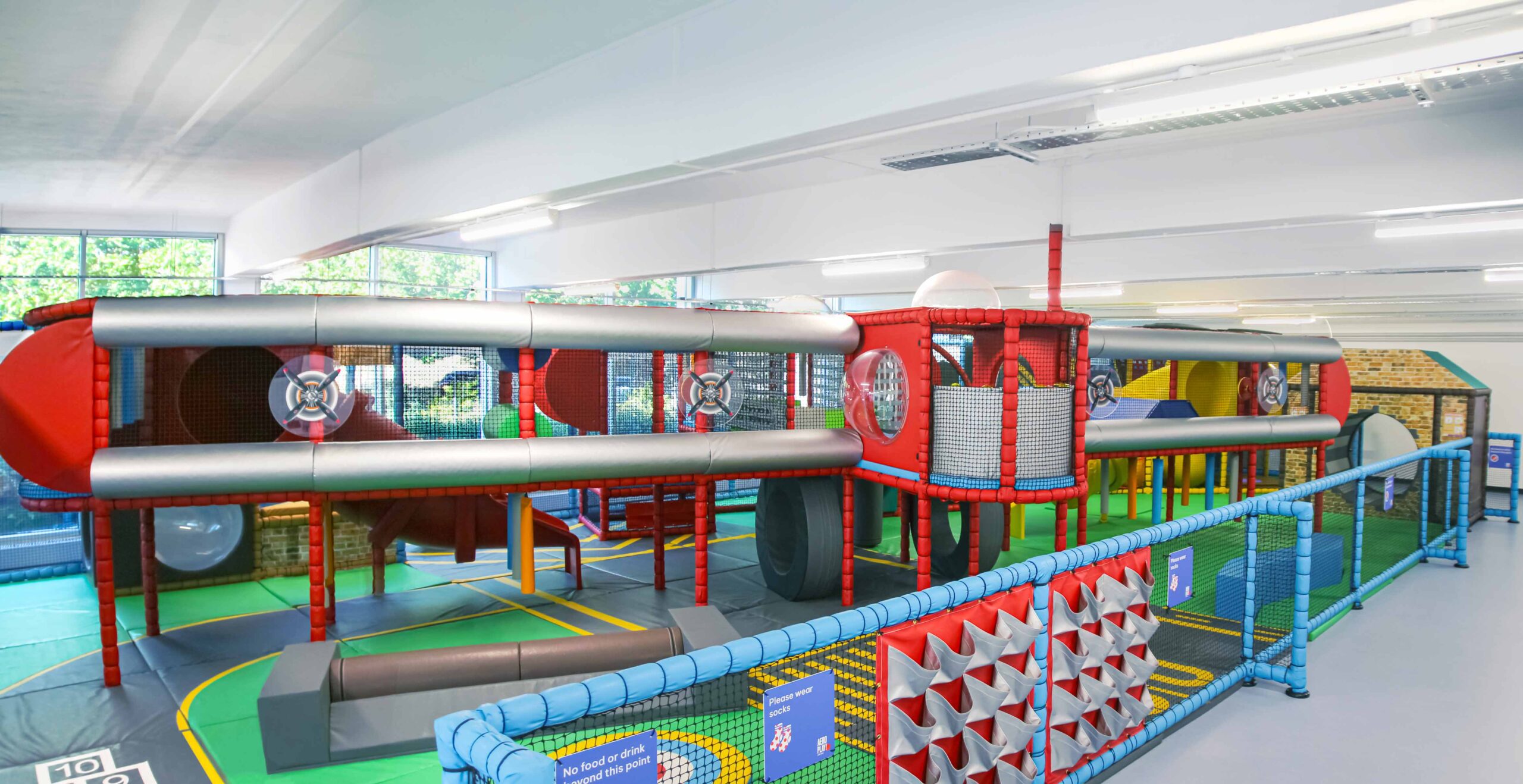
Play Creations’ portfolio includes projects such as the RAF Museum and Fun Factory. These provide examples of different play environments and project requirements.
RAF Museum
An aviation-inspired play environment designed around the museum’s theme, space and visitor needs.
Explore the project →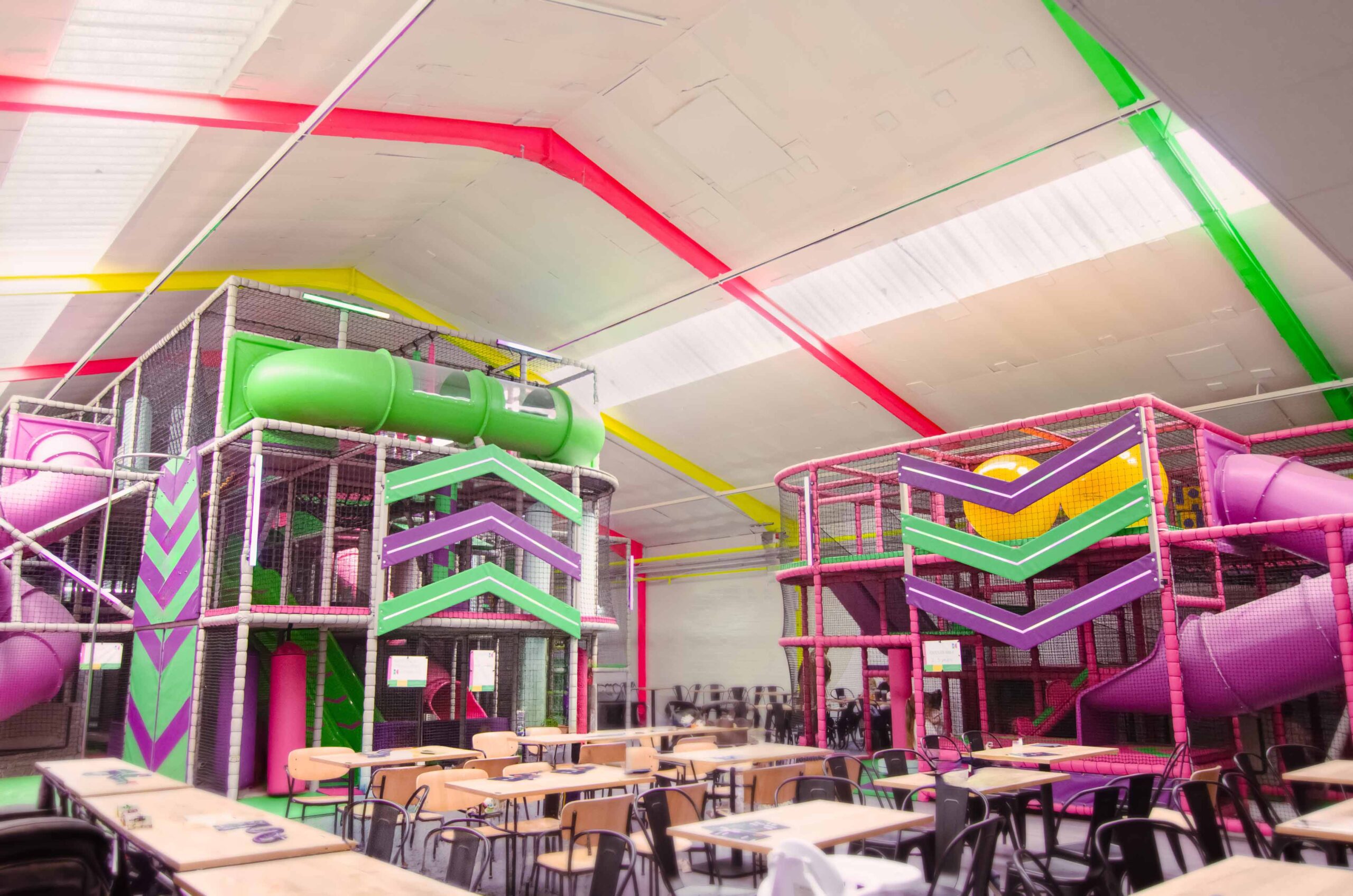
Fun Factory
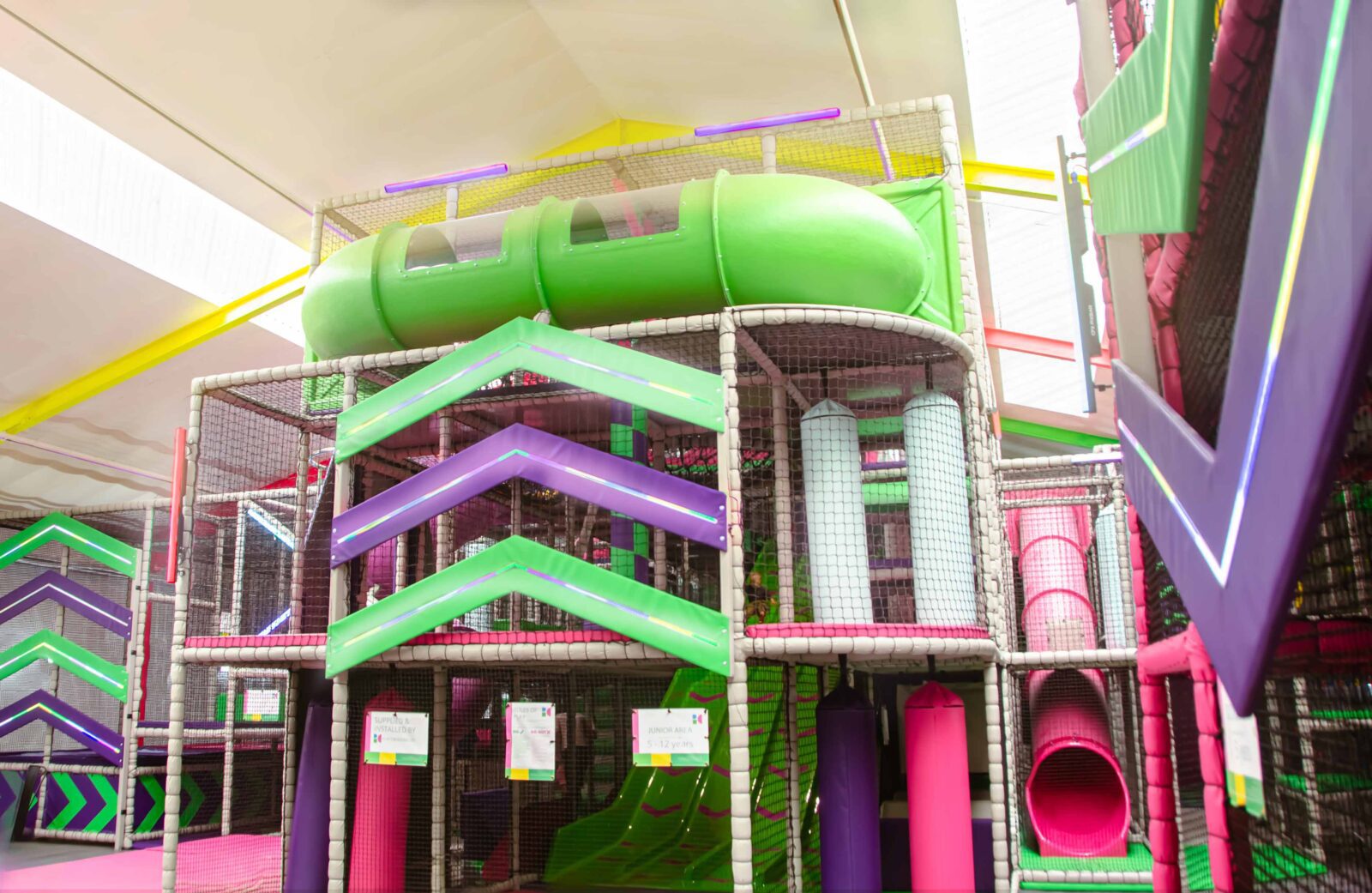
A vibrant multi-level installation with dedicated play zones, interactive features and bold brand colours.
Explore the project →Remember, a relevant example is often more useful than a long list of projects that have little in common with your plans.
Choose a Manufacturer That Fits Your Project
Choosing between soft play manufacturers in the UK involves more than comparing photos, product ranges or prices. Instead, you need to understand how each company approaches design, manufacturing, installation and ongoing support.
At Play Creations, we combine UK manufacturing with bespoke design to create soft play environments tailored to individual projects. Whether you’re developing a new attraction or rethinking an existing space, we believe that conversation should start with your requirements.
Let’s bring your ideas to life.
Get in touch to discuss your project, talk through your ideas and identify the next steps.
Discuss your project →Frequently Asked Questions
We’ve pulled together the most common things people ask us, from how we work and what to expect, to timelines, pricing, and everything in between. If you can’t find what you’re looking for, just reach out and we’ll get you sorted.
Timescales will always vary depending on the size and complexity of the project. As a “standard” rule of thumb, Play Creations works on a 14-16 week turnaround from the point of order.
Your manufacturer should give you a clear timeline covering design, production and installation before work begins
Absolutely! A bespoke manufacturer can develop a design around your available floor space, building layout, ceiling height and intended age groups.
Sharing building plans and measurements early can help the design team explore the available options.
For UK installations the safety standard codes are:
BS EN 1176 and BS EN 1177.
For USA installations the safety standard codes are:
ASTM F1918 and ASTM F1487
For EU installations the safety standard codes are:
EN 1176 and EN 1177
These are applicable depending on the equipment and settings. Check with your manufacturer to recieve the relevant guidance for your project.
Yes! Bespoke soft play can be designed any way that you like. Depending on the brief, this may include themed features, interactive elements, different play zones and tailored finishes.
We provide specific handouts and guidance to help your team keep your soft play equipment in top condition. We’ll help you understand how to care for your installation, so you can keep it looking its best and support the long-term use.
We also provide warranty cover and aftercare support, giving you a point of contact if you need advice or assistance after installation. See more about our warranty terms and available support.