

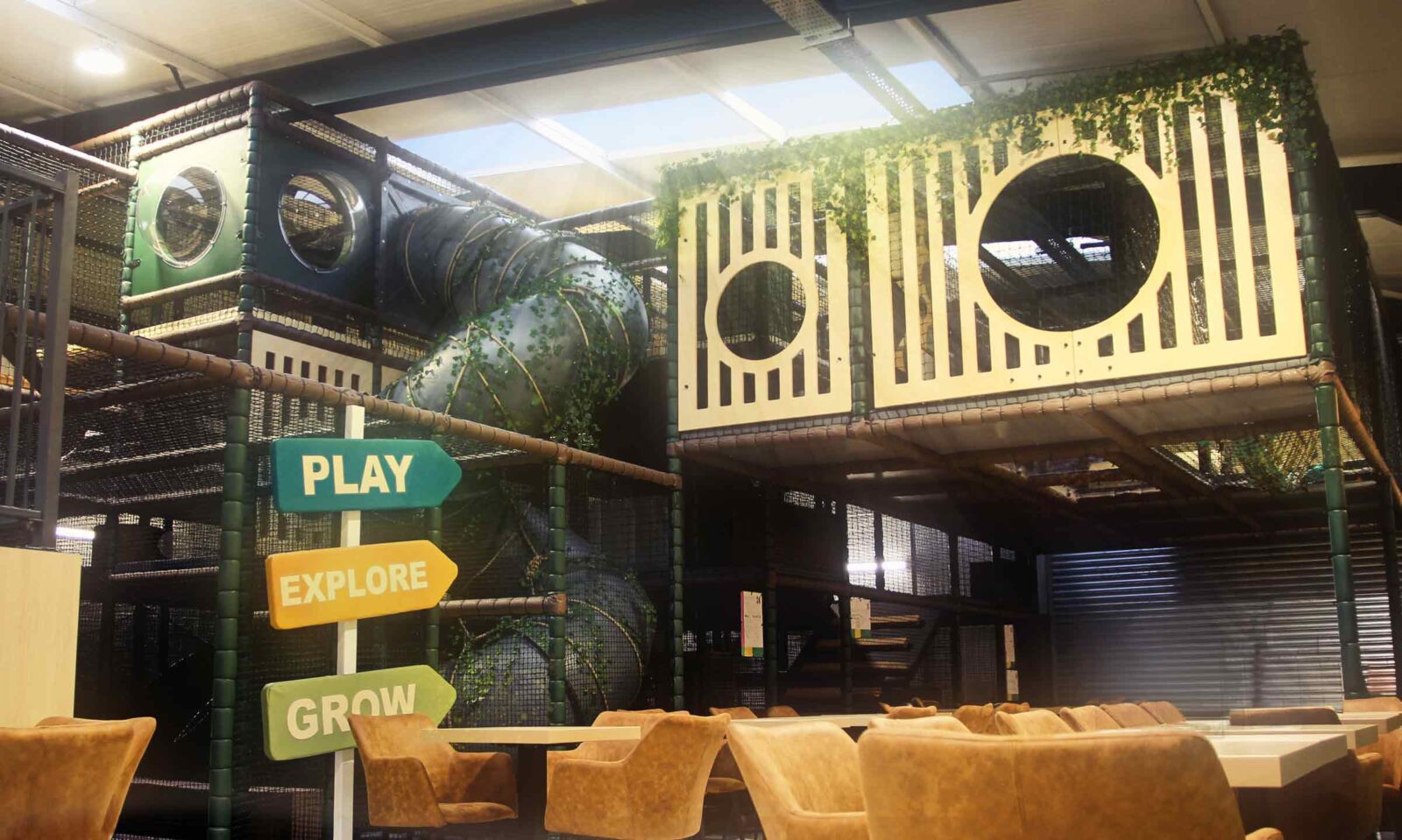
Is a Soft Play Business Profitable? A Realistic Look at the Numbers
Undoubtedly, starting a soft play business can be an exciting investment. After all, indoor play centres give families somewhere to spend time together, provide opportunities for birthday celebrations and create a regular destination for local communities. But is a soft play business actually profitable?
However, behind the colourful slides and ball pits is a serious business investment.
From commercial premises and equipment to staffing, insurance and maintenance, opening an indoor play centre involves considerably more than filling a building with play equipment.
So, is a soft play business profitable? It can be, but profitability depends on realistic financial planning, customer demand, operating costs and how effectively the venue generates income.
With that in mind, we’ll explore the costs, revenue opportunities and key considerations for anyone thinking about opening a soft play business.
Let’s Bring Your Ideas to Life
First, we’ll explore your ideas. Then, we turn them into bespoke commercial play spaces. From design concepts all the way to the final installation.
Explore our design and build processIs a Soft Play Business a Profitable Investment?
A well-managed soft play business can generate income through several revenue streams, including admission fees, birthday parties, food and drink, memberships and special events.
However, high customer numbers don’t automatically translate into healthy profits.
Specifically, some of the biggest influences on profitability include:
- Location: Is the venue accessible, with enough demand from local families?
- Capacity: How many customers can it safely accommodate?
- Occupancy: What proportion of available spaces are filled?
- Operating Costs: How much does it cost to keep the venue running?
- Repeat Visits: Are customers returning regularly?
- Additional Revenue: Can the business earn money beyond standard admission?
For example, a large venue might have impressive revenue potential, but it will also have higher property, staffing and maintenance costs. Equally, a smaller centre with consistent bookings could be more financially sustainable.
Profitability is not simply how many children walk through the door. Instead, it’s about how effectively a play centre converts available space into sustainable revenue.
Where Does an Indoor Play Centre Make its Money?
Notably, one advantage of a soft play area is the opportunity to generate income from different activities, such as:
| Revenue stream | How it generates income |
|---|---|
| General admission | Fees for standard play sessions. |
| Birthday parties | Party packages, private areas and additional services. |
| Food and drink | Café sales, refreshments and snacks. |
| Memberships | Recurring income from regular visitors. |
| Special events | Themed sessions and seasonal activities. |
| Additional activities | Paid experiences and supplementary attractions. |
For example, birthday parties can be particularly valuable, allowing venues to sell packages rather than relying solely on individual admissions. Cafe sales and memberships can also increase customer spend and encourage repeat visits.
Even so, the important consideration is whether each revenue stream contributes to profitability after its associated costs.
Overall, a diversified revenue model reduces your reliance on a single source of income and helps an indoor play centre make use of its available space.
Understanding Indoor Play Centre Revenue: A Worked Example
To begin with, let’s look at how capacity and occupancy can affect admission revenue.
The following example is illustrative, not an industry average. It demonstrates how a venue might generate income under different conditions.
Let’s Set the Scene
Our revenue example is based on four simple operating assumptions.
per session
per day
per month
price
At full capacity, the centre could accommodate 180 visits per day. However, a business plan should account for quieter sessions rather than assume every space will be filled.
What Could The Example Soft Play Centre Make?
First, choose an occupancy level, then adjust the estimated running costs so that you can see how the numbers could look for the venue.
Choose the average occupancy
What percentage of the available customer places do you expect to fill on an average operating day?
Adjust your monthly running costs
Next, estimate how much it might cost to keep your venue operating each month. Include rent, staffing, utilities, insurance, cleaning and other regular expenses.
Here’s how the figures compare
However, these figures are based on admission income only, before any additional revenue streams.
In other words, this is what remains from admission revenue after the estimated operating costs shown above.
Why Does Occupancy Matter?
To illustrate this, in the above example, the difference between 25% and 55% occupancy is £11,232 in monthly admission revenue alone.
At the same time, many fixed costs will remain the same regardless of how busy the centre is. However, higher visitor numbers can also increase staffing, cleaning and consumable costs.
This is why revenue forecasts need to consider both income and expenditure. Therefore, a useful starting point is calculating how many paying visits are needed each month to cover fixed and variable operating costs.
How Much Does it Cost to Start a Soft Play Business?
Generally speaking, a soft play business startup can require a substantial initial investment. Costs vary depending on the size of the venue, condition of the premises, complexity of the design and standard of the equipment.
For instance, a small play cafe and a large commercial indoor adventure centre will have very different financial requirements. With this in mind, consider the following expenses before opening.
1. Commercial Premises
To start with, property costs can include rent or purchase costs, deposits, business rates and refurbishment. Look past the initial price. Accessibility, parking, building condition and local demand can all influence whether a property is a suitable investment.
2. Soft Play Equipment and Installation
Next, the equipment will form a significant part of the initial investment. Costs depend on the size and complexity of the structure, materials, themed features, interactive elements and installation requirements.
For example, a bespoke commercial soft play installation will have different requirements from a smaller standardised structure. Additionally, it’s worth considering long-term suitability and quality rather than choosing based entirely on the lowest quotation.
For more detail, check out our guide to soft play costs for a full breakdown of the prices of indoor play areas.

3. Fit out and Facilities
The play equipment is only one part of the venue. You may also need to budget for:
- Reception and customer service areas
- Cafe and kitchen facilities
- Toilets and changing facilities
- Flooring, lighting and ventilation
- Furniture, signage and decoration
- Fire safety and other building requirements
4. Business setup and opening costs
Other expenses may include insurance, professional fees, initial stock, staff recruitment, training, marketing and website development.
Most importantly, allow for working capital. You’ll need enough money to cover expenses while customer numbers build. Assuming the venue will immediately operate at full capacity is a risky starting point.
What Are the Ongoing Costs of Running a Soft Play Centre?
However, opening a venue is only the beginning. Keeping it operational, safe and commercially viable requires consistent investment.
Where does the money actually go?
In reality, running a soft play centre comes with more costs than you might expect. Select each card to find out what needs to be considered when planning your budget.
Planning for the Unexpected
It’s also important to allow for unexpected expenses. Equipment may need repairing, appliances can break and quieter periods can affect cash flow.
Maintenance deserves particular attention in an environment where equipment experiences frequent use. That’s why choosing quality materials, suitable construction methods and a manufacturer with a clear aftercare approach can help owners plan for the long term.
What Makes a Soft Play Business Successful?
Financial planning is essential, but commercial success also depends on the experience a venue provides.
Location and Local Demand
Research the surrounding area before committing to a property. In particular, consider local demographics, competing leisure facilities, transport links and accessibility.
After all, an impressive venue will struggle to attract consistent visitors if there isn’t enough demand nearby.
A Memorable Customer Experience
Think about the age groups you want to attract, the activities available and how the space accommodates both children and accompanying adults.
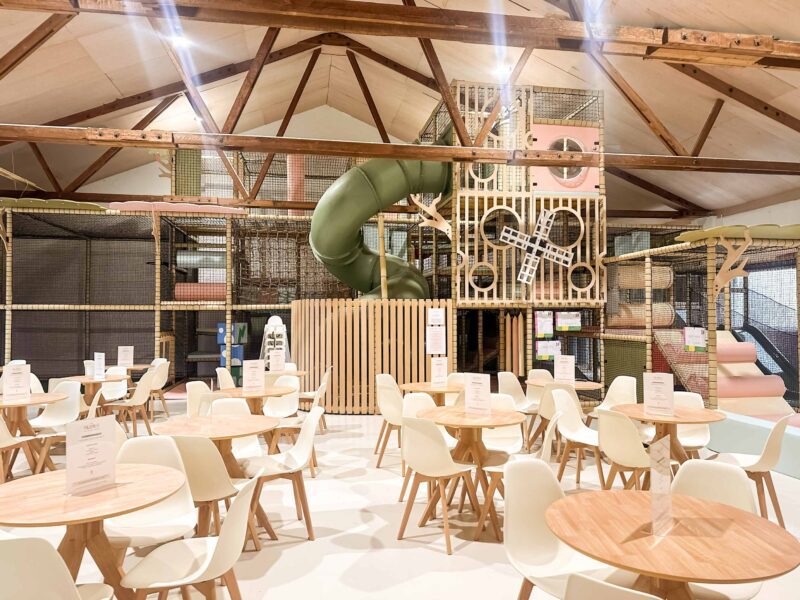
In particular, themed soft play venues can help create a distinctive identity, giving families something memorable to associate with their visit.
Quality and Longevity of Equipment
Furthermore, your equipment is one of the biggest investments in the business and plays a central role in the customer experience.
For this reason, design, material selection, construction quality and maintenance should all be considered when choosing a manufacturer.
Effective Marketing and Repeat Customers
A successful opening doesn’t guarantee a successful business. Ongoing marketing helps maintain awareness, attract new customers and encourage existing visitors to return.
Social media, local partnerships, email marketing, seasonal events and customer recommendations can all help build a loyal audience.
In short, marketing creates awareness but the experience creates repeat customers.
Real-World Example: What a Successful Opening Can Look Like
Cub Hub is a recently opened soft play venue featuring a bespoke woodland inspired play environment by Play Creations.
Opening during the October half term, Cub Hub notably reportedly welcomed approximately 3,000 visitors during its first week. Weekday attendance the following week was also encouraging, with reports of around 150 visitors on a Monday.
These figures shouldn’t be treated as a prediction of ongoing performance. However, they offer an interesting example of the potential impact of a well promoted opening and a thoughtfully designed venue.
Ultimately, for prospective owners, the takeaway is simple: getting people through the door is important, but creating an experience they want to revisit is what helps build a sustainable business.
So, Is Opening a Soft Play Business Worth it?
A soft play business can be a worthwhile investment, but it isn’t a guaranteed route to profitability.
In fact, the strongest opportunities come from combining realistic financial forecasts with a well researched location, a clear business model and an experience customers want to return to.
Before committing, make sure you understand your initial investment, ongoing costs, expected occupancy and break-even point. It’s equally important to consider the quality and longevity of the equipment you’re investing in.
With this in mind, at Play Creations, we design and manufacture bespoke commercial soft play environments for businesses across the UK and internationally. Therefore, whether you’re planning a small play cafe or a large leisure destination, getting the design and build right is an important step towards creating a space with long term potential.
Let’s build something worth playing in.
From bespoke designs to complete commercial soft play environments, let’s talk about what your space could become.
Discuss your projectFrequently Asked Questions
We’ve pulled together the most common things people ask us, from how we work and what to expect, to timelines, pricing, and everything in between. However, if you can’t find what you’re looking for, just reach out and we’ll get you sorted.
In truth, there’s no guaranteed timeframe. It depends on factors such as startup costs, rent, staffing, customer demand and how quickly the venue builds up a regular customer base.
For this reason, a realistic financial forecast should account for quieter opening months rather than assuming full capacity from day one.
A smaller venue can be profitable, but its success depends on how well its capacity, pricing and operating costs are balanced.
Lower premises and staffing costs may help, but a smaller customer capacity will limit potential admission revenue.
Building and staffing costs tend to be the most significant ongoing expenses. In addition to this, equipment, utilities and insurance also tend to add up quickly and contribute to the full running cost of a venue.
A combination of local marketing, social media, customer recommendations, birthday party packages and repeat visit incentives can help to attract customers. Creating an enjoyable and well-maintained environment also gives families a reason to return and recommend the venue.
Equipment that is well designed, appropriately manufactured and maintained can help reduce avoidable repairs, replacements and disruption. Choosing equipment based on durability and suitability for your venue is an important part of protecting your investment over time.


